
Blog
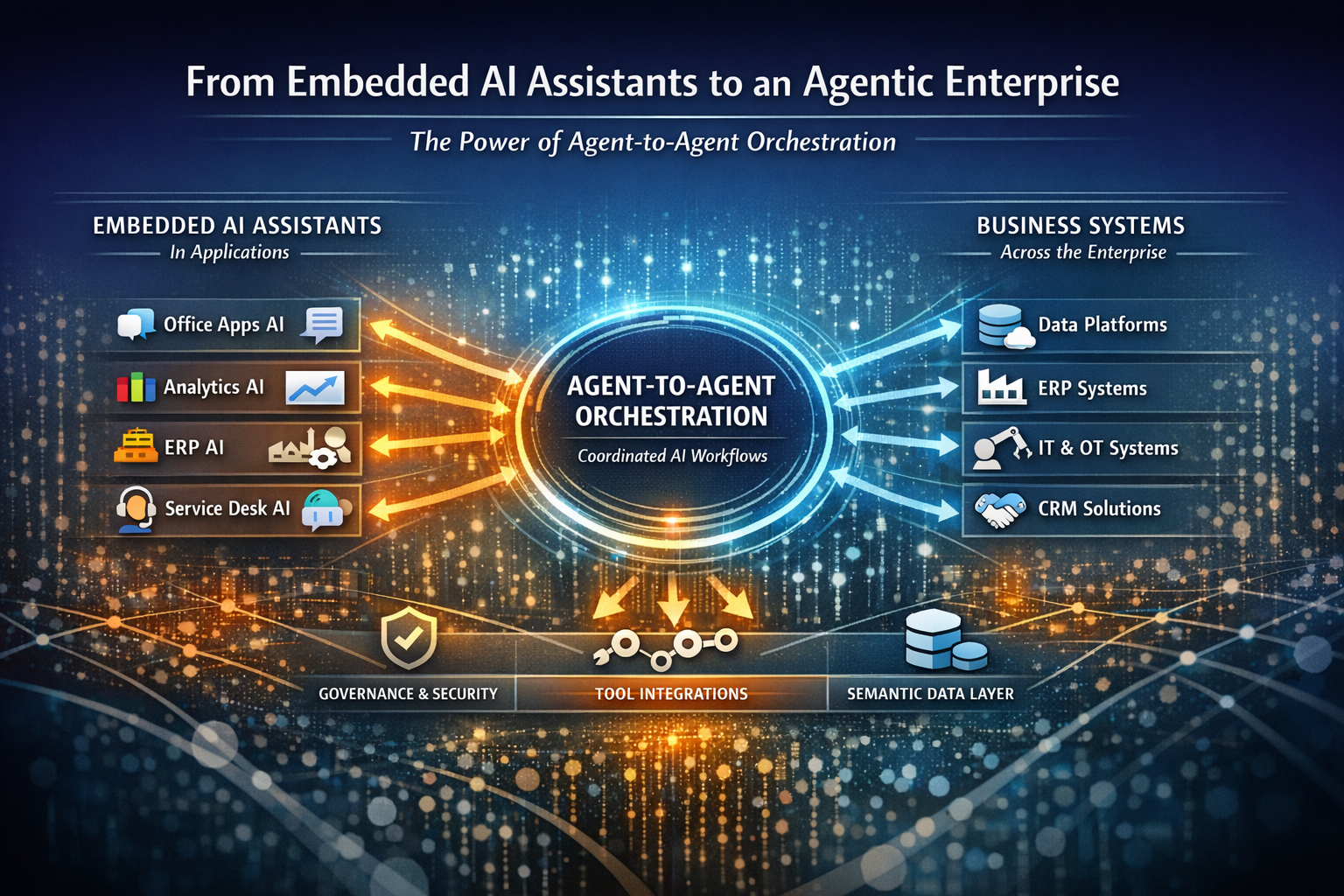
The Hub Agent Pattern: Turning AI Agent Assistant Sprawl into Enterprise Execution Enterprise software is entering a new phase where the primary interface is no longer a dashboard. It is a conversation that can lead directly to action. Adobe, Microsoft 365, SAP, Snowflake, ServiceNow, and other major platforms are embedding generative AI into everyday workflows. The value proposition is practical. Business users can ask questions in natural language, receive answers grounded in enterprise context, and trigger actions that previously required multiple tickets, analysts, and handoffs. This shift is also creating a new kind of fragmentation. Each platform is building its own embedded AI assistant with different tools, security boundaries, semantic assumptions, and memory. In isolation, each assistant looks powerful. In the enterprise, leaders end up with several intelligent experiences that do not naturally collaborate. The next advantage is not simply adopting AI within products. The advantage is orchestrating agents across the enterprise in a way that is consistent, governed, and measurable. Agent to agent orchestration is the missing layer. It is the ability to route intent to the right agent, coordinate work across systems, and return outcomes with full traceability. It reframes AI from a scattered set of features into an enterprise capability that requires architecture, policy, and operational ownership. At scale, this becomes an AI control plane problem, spanning identity, authorization, policy enforcement, observability, evaluation, and audit logging across tools and agents.

The #1 Mistake Killing Digital Transformation: Leading with Technology
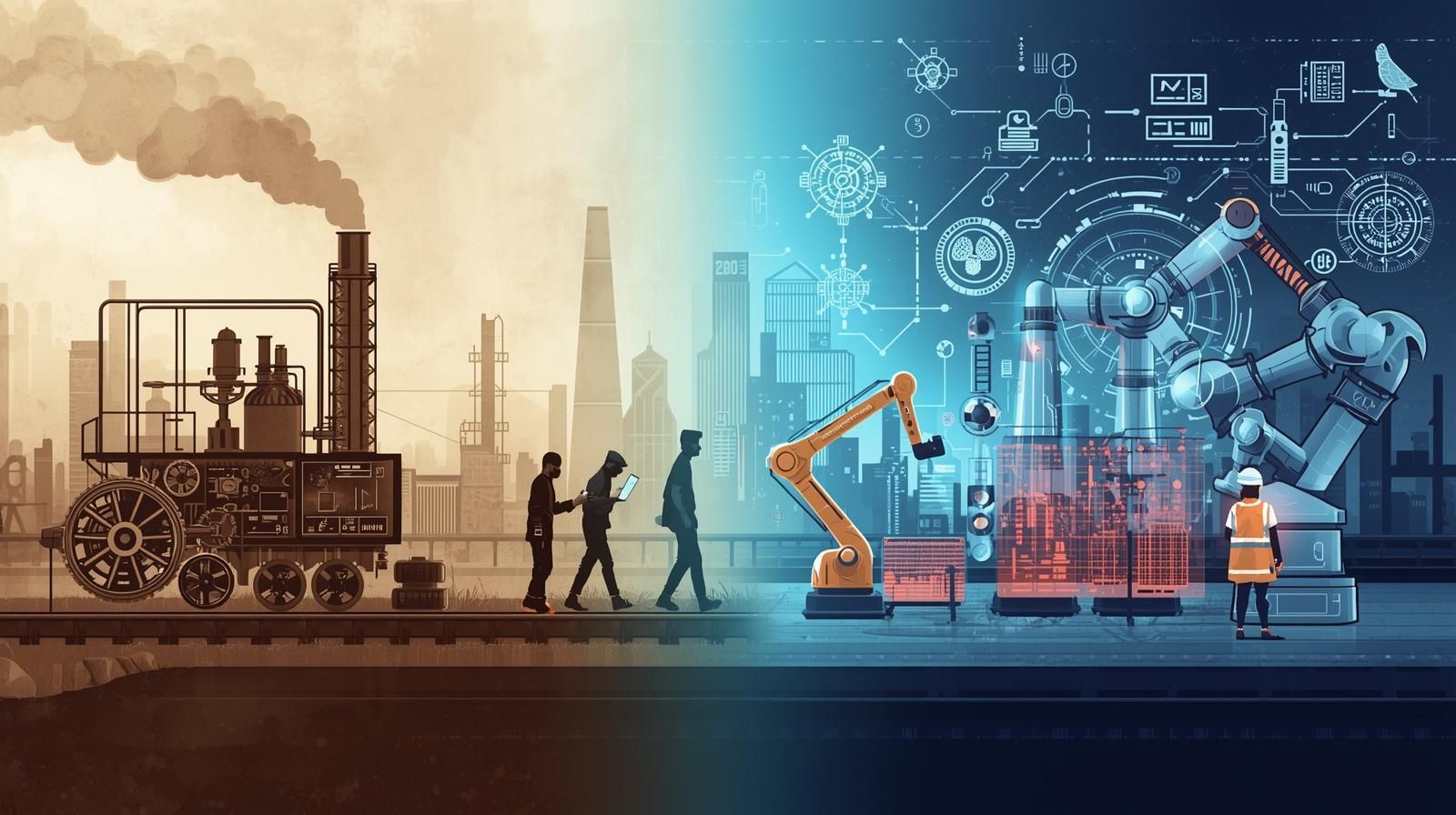
From Steam to Smart: Why Industry 5.0 Is the Next Great Leap in Business Transformation
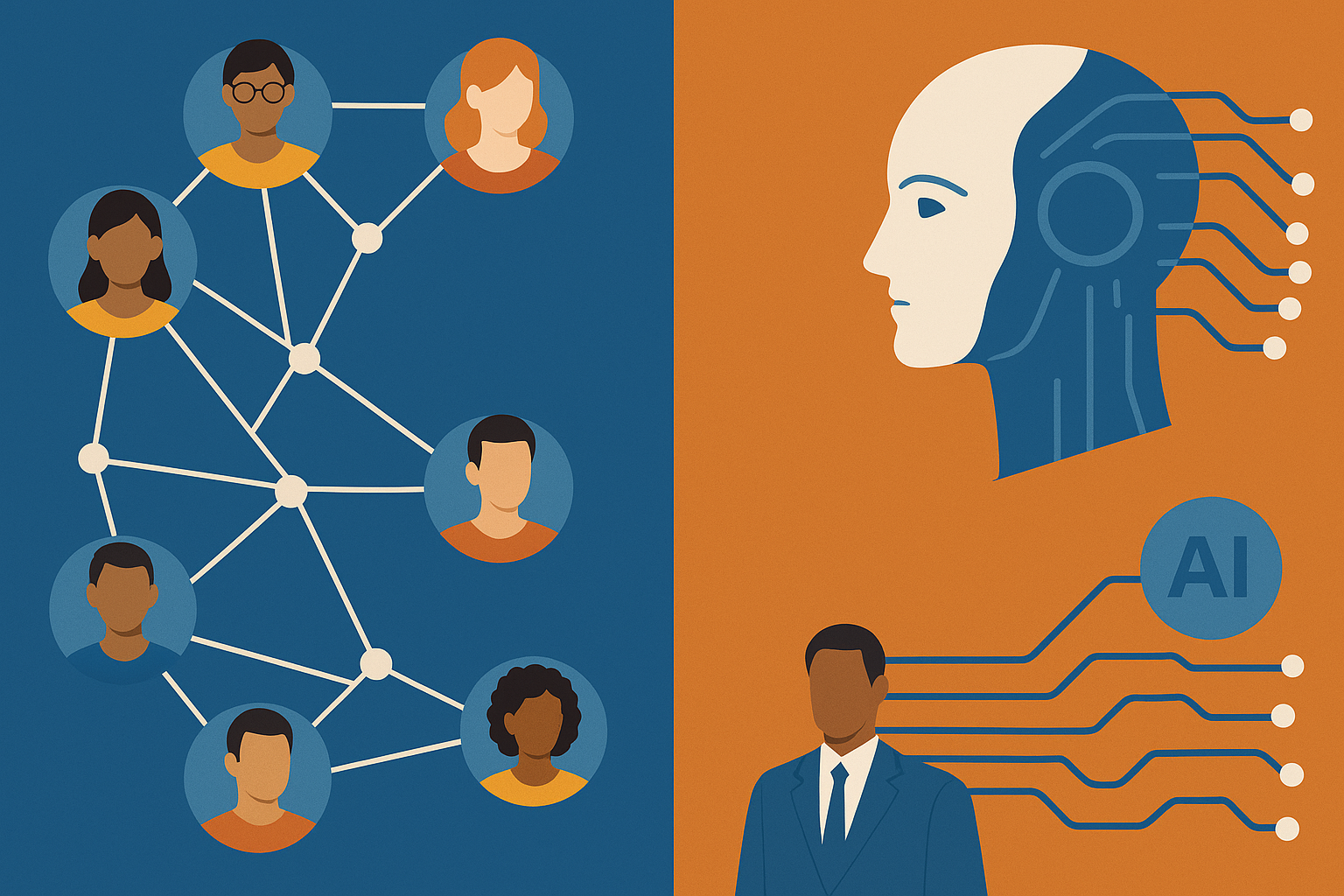
Human Networks vs. AI: Why People Power Still Wins in the Age of Algorithms
AI: Bubble or Building Block? A Reality Check for the “AI-First” Narrative
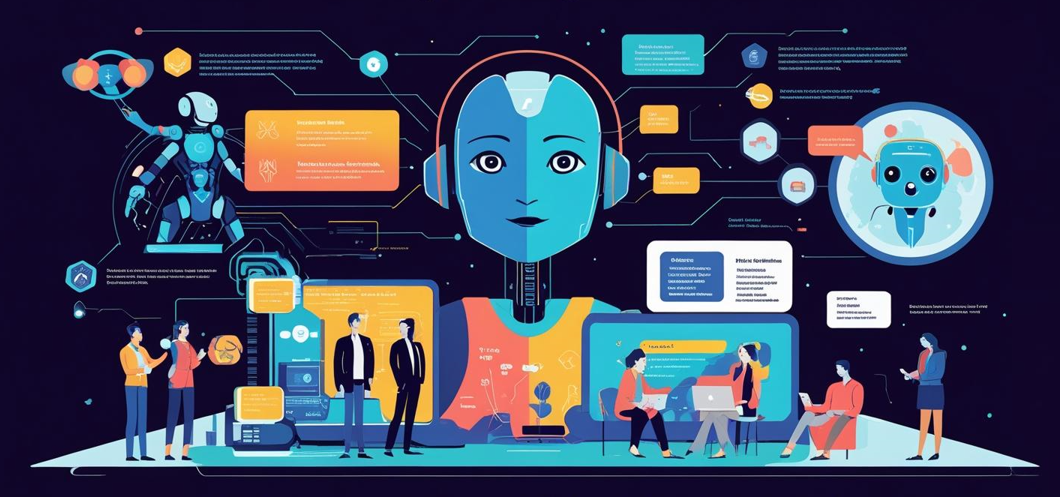
The Age of Agentic AI: Foundations, Types, Deployment, and Value Realization
Will AI Rule or Ruin Us? A Balanced Look at the Future
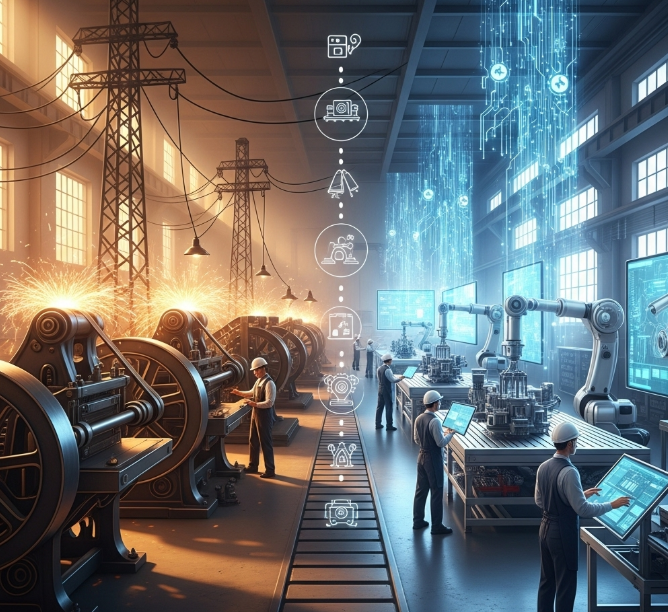
From Assistance to Autonomy: How AI is Redefining Digital Manufacturing

Model Context Protocol (MCP): The Universal Connector for Agentic AI’s Next Era
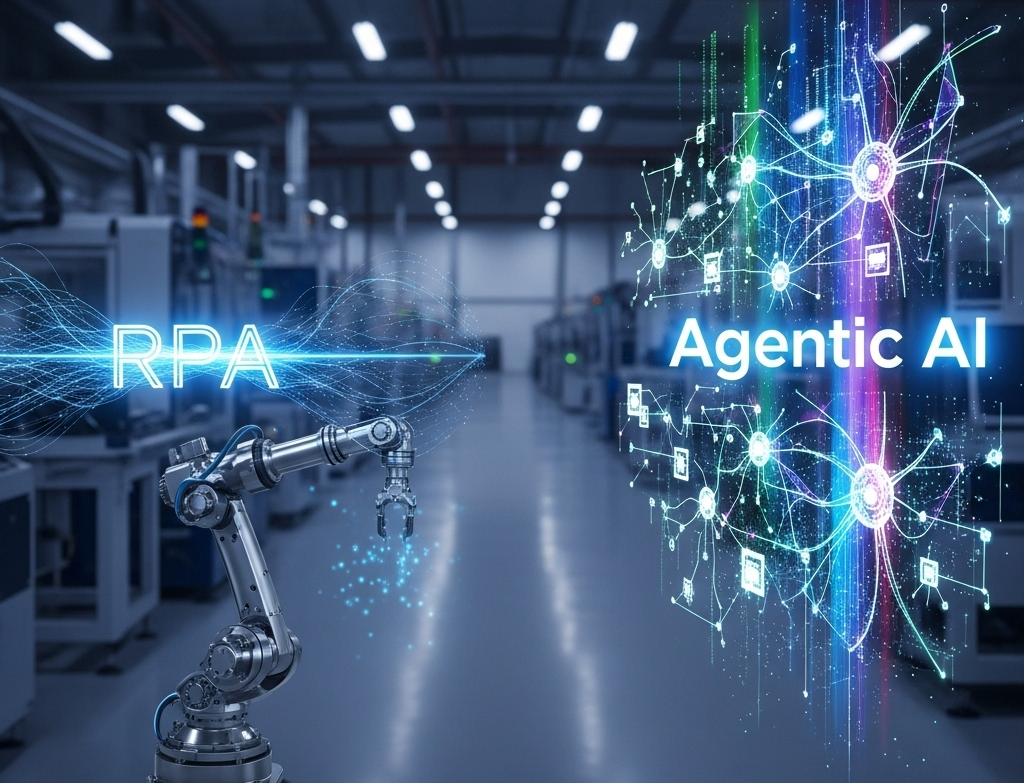
From RPA to Agentic AI: How Automation Grew Up and What It Means for Your Business
Interested in Writing Blogs?
Please fill out the below information. Our organizer will get in touch with you!